
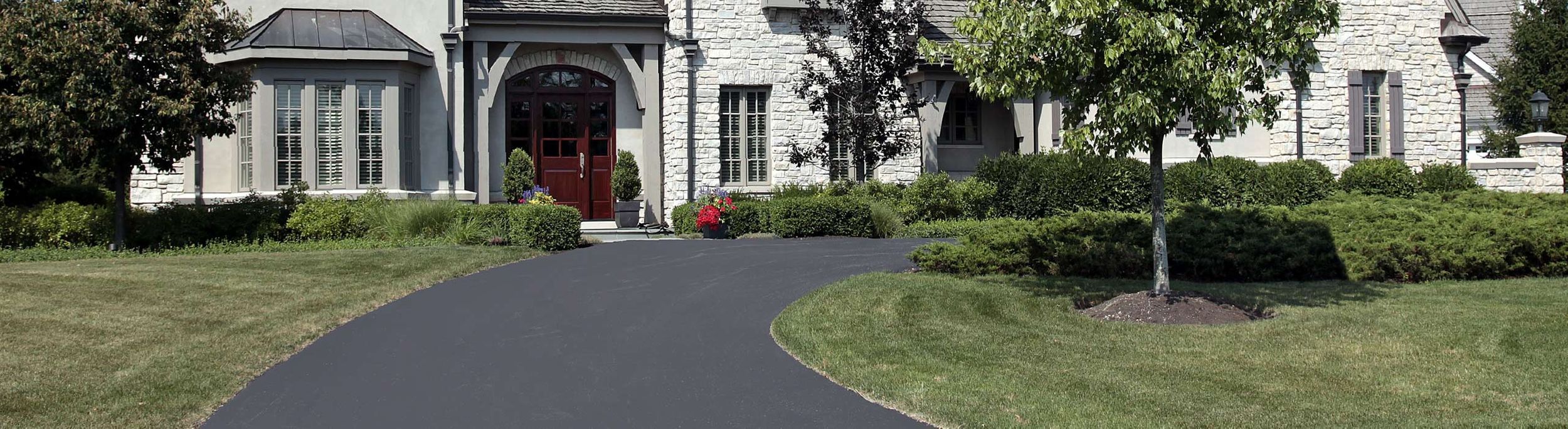
Asphalt vs Concrete Driveways
When choosing between asphalt and concrete for your Orillia driveway or parking lot, you’re making a decision that will impact your budget and scheduling for many years to come. It’s important to make the choice thoughtfully, and this article hopes to inform a property owner of everything they need to know to do just that.
Questions Answered in This Article:
- Which material is more affordable upfront?
- How quickly can each material be installed?
- Which option is better for Orillia’s freeze-thaw climate?
- How often does each material need maintenance?
- What’s the lifespan of asphalt vs. concrete?
- Which material is easier to repair?
- Which is better for commercial parking lots?
- Which material handles snow and ice better?
- Is concrete worth the extra investment?
- How do I choose between the two?
Orillia’s Climate Impact
Before deciding between asphalt and concrete, it’s important to understand how Orillia’s unique climate affects pavement performance and longevity.
The city experiences cold winters with average temperatures dropping to -20°C in Jan/Feb, along with significant freeze-thaw cycles throughout the colder months. These temperature fluctuations create a particularly challenging environment for paving materials because water naturally seeps into microscopic cracks within the pavement.
When temperatures drop below freezing, this water expands as it turns to ice, expanding about 9% in volume. This expansion exerts tremendous pressure on the surrounding material, causing cracks to widen and new fractures to develop.
This repeated cycle of water infiltration, freezing, and thawing is one of the primary reasons pavements deteriorate so rapidly in northern climates.
During summer months, temperatures in Orillia can reach over 30°C, creating significant seasonal temperature swings. These dramatic shifts stress paving materials differently. In summer heat, asphalt can soften slightly, while concrete can experience differential expansion. Understanding how each material responds to these temperature extremes is crucial to predicting long-term performance.
The Flexible Choice
Asphalt has long been the most popular choice for Ontario homeowners and businesses. This petroleum-based material, composed of aggregates held together with bituminous binder, offers several advantages that make it particularly well-suited for the Orillia climate.
Asphalt Pros
Cold Weather Performance
Asphalt’s greatest strength in the Orillia region is its inherent flexibility in cold weather.
Unlike rigid materials such as concrete, asphalt can expand and contract with temperature changes without developing structural failures. When water seeps into asphalt and freezes, the material’s elasticity accommodates the expansion without breaking apart.
Lower Initial Investment
Cost is often the primary concern for property owners, and asphalt delivers significant savings upfront on installation as well as over time in repairs and maintenance.
- Standard asphalt paving: $4 to $7 per square foot
- Average residential driveway project: $2,800 to $6,500
- High-quality asphalt installations: $8 to $12 per square foot
For a typical 600-square-foot two-car driveway, this would be between $2,400 and $7,200, depending on the quality of materials, site preparation requirements, and contractor expertise. These prices include materials, labor, and basic site preparation work.
Quick Installation
Time is money, especially for commercial properties that depend on accessible parking areas.
- Installation completed within 2 days
- Driveway ready for immediate use
- Minimal business disruption: fast return to normal operations for commercial clients
Simple, Affordable Repairs
When damage occurs, asphalt repairs are straightforward and cost-effective, allowing property owners to address issues promptly with a variety of ways to fix what must be fixed.
- DIY maintenance available: small cracks can be filled with patching products from hardware stores
- Professional patching for moderate damage
- Resurfacing costs only $1–$3 per square foot
Snow and Ice Management
The dark color of asphalt absorbs heat from the sun more effectively than lighter-colored surfaces.
- Faster snow and ice melting during thaws, lower de-icing product requirements
- Natural heat absorption reduces snow accumulation
- Improved safety during winter months due to enhanced visibility on dark asphalt
Asphalt Cons
Regular Maintenance Requirements
Asphalt’s main drawback is its need for consistent, ongoing upkeep. Maintenance commitments include:
- Sealcoating every 3–5 years is necessary
- Sealcoating costs $0.20–$0.70 per square foot
- Cumulative maintenance costs over 30 years are significant
Shorter Lifespan
Even with proper maintenance, asphalt driveways typically last 20 to 30 years, significantly less than concrete alternatives. Lifespan considerations:
- Need for replacement after 20–30 years
- Factors into total lifetime cost of ownership
- Shorter investment protection period
- Planning for future replacement essential
Vulnerability to Petroleum Products
Due to it being petroleum-based, oil, gasoline, and other vehicle fluids can damage asphalt surfaces.
- Vehicle oil damage deteriorates surface and gasoline weakens pavement structure
- Service station parking lots particularly vulnerable
- Commercial facilities with delivery vehicles at risk
- Regular inspections recommended for fluid-prone areas
Limited Aesthetic Options
While some contractors offer stamped or colored asphalt, customization options remain limited compared to concrete. Aesthetic limitations include:
- Primarily available in black or dark gray. Color choices are limited
- Stamped options available but expensive
- Design flexibility minimal compared to concrete
- May not complement all property styles
The Rugged Investment
Concrete offers characteristics that appeal to property owners seeking longevity, design flexibility, and minimal maintenance.
Concrete Pros
Exceptional Longevity
Concrete’s most compelling advantage is its impressive lifespan.
- Lifespan of 25–50 years or longer, potentially twice as long as asphalt
- Long-term cost-effectiveness despite higher initial price
- Total cost of ownership favours concrete over 50 years
- Multiple asphalt replacements vs. single concrete installation
- Superior investment protection over time
Compressive Strength
Concrete can withstand up to 6,000 pounds per square inch of pressure, double that of asphalt. Strength advantages for:
- Properties with heavy vehicles
- Commercial trucks and delivery vehicles
- Industrial equipment and machinery
- High-traffic commercial areas
Minimal Maintenance Needs
Once installed, concrete requires relatively little ongoing maintenance.
- Sealer application every 5–10 years recommended, which is significantly less frequent than asphalt sealcoating
- Lower maintenance frequency saves time and money
- Significant cost savings over surface lifetime
- Simplified property management
Endless Design Possibilities
Concrete excels in aesthetic versatility with numerous customization options.
- Stamped patterns mimicking brick, stone, or tile
- Coloured concrete in various hues
- Exposed aggregate finishes for texture
- Etched or engraved designs for customization
- Polished concrete for contemporary appearance
- Enhanced curb appeal and property value
- Options for upscale residential properties
- Branding opportunities for commercial properties
Better Performance in Hot Weather
Concrete maintains structural integrity in warm temperatures better than asphalt, which can soften and become susceptible to damage.
Disadvantages of Concrete
Higher Upfront Costs
Concrete’s most significant drawback is its initial expense. Cost considerations include:
- Installation ranges from $7–$12 per square foot
- Significant initial investment required with a standard 600-square-foot driveway costing between $4,200–$7,200, substantially higher than asphalt
- Large commercial parking lots can be tens of thousands in extra cost
Longer Installation Timeline
Concrete requires extensive curing time before full use.
- 24–48 hours for light foot traffic, 7 days before light vehicle traffic, 28 days for full cure and maximum strength
- Extended disruption for businesses with potential lost revenue from inaccessible parking
- Careful planning around downtime necessary
Vulnerability to Freeze-Thaw Damage
In Orillia’s climate with its freeze-thaw cycles, concrete’s rigidity becomes a liability, requiring careful winter maintenance.
- More susceptible to cracking than asphalt
- Spalling (surface flaking) occurs
- Road salt accelerates deterioration
- Lifespan may be reduced in harsh climates
More Complex Repairs
When concrete cracks or sustains damage, repairs are challenging and often require professional help.
- Colour and texture matching is difficult
- Repairs often remain permanently visible
- Complex repairs require cutting out sections
- Re-pouring damaged areas costly
- Cracks often propagate and spread
- Eventually requires full surface replacement
Key Factors to Consider
Budget Considerations
Upfront Costs:
- Asphalt: $1,800–$4,200
- Concrete: $4,200–$7,200
Long-Term Maintenance Costs:
- Asphalt requires sealcoating ($120–$420 every 3–5 years)
- Asphalt replacement needed after 20–30 years ($600–$1,800 resurfacing)
- Concrete needs minimal maintenance
- Concrete repairs cost $1,500–$5,000 when damage occurs
Property Type and Usage
For residential driveways:
- Asphalt offers the best balance
- Lower initial investment
- Easier repairs
- Superior freeze-thaw resistance
- Practical choice for standard residential use
For commercial properties:
- High-traffic retail parking benefits from concrete durability
- Industrial facilities with heavy equipment need concrete strength
- Standard commercial parking can use asphalt with maintenance
Aesthetic Considerations
Concrete offers more design flexibility for upscale properties or businesses where first impressions matter significantly.
Making Your Decision
Asphalt:
- Lower upfront cost: $1,800–$4,200 for typical driveway
- Installation ready in 2 days
- Superior cold-weather flexibility
- Easier and cheaper repairs
- Requires sealcoating every 3–5 years
- Lifespan: 20–30 years
- Best for: Most residential and standard commercial properties
Concrete:
- Higher initial investment: $4,200–$7,200 for typical driveway
- Extended curing time: 28 days for full strength
- Exceptional durability: 25–50 year lifespan
- Minimal maintenance needs
- Extensive design customization options
- Superior load-bearing capacity
- Best for: Heavy-use properties, industrial applications, long-term durability priorities
Asphalt’s flexibility makes it superior at handling freeze-thaw cycles without cracking, a significant advantage in our region. Concrete’s rigidity becomes a liability when water penetrates the surface, freezes, and causes spalling and deterioration.
Working with Professional Contractors
Regardless of which material you choose, professional installation is crucial. Look for contractors offering:
- Understanding of Orillia’s climate challenges
- Detailed written estimates
- Warranties on work and materials
- Proven community track records
- High-quality materials appropriate for local conditions
At Ital Paving (1985) Ltd, we’ve provided quality asphalt paving services throughout Barrie, Central Ontario, and Cottage Country—including Orillia—for over 39 years. Our expertise ensures your driveway or parking lot will withstand everything Orillia’s climate can throw at it.
Conclusion
For most Orillia property owners, asphalt emerges as the practical winner due to its cold-weather resilience, affordability, and repair-friendly nature.
However, concrete remains the better choice for properties with heavy vehicle loads, owners prioritizing 30+ year durability, or those seeking aesthetic customization.
The right choice depends on your specific needs, budget, maintenance preferences, and long-term property goals.
Give us a call today at 705-722-0765, or complete our contact form and we’ll reach out to talk about your project.
Related Articles
Residential & Commercial Estimate Request
Ital Paving provides free, no-obligation onsite consultations for all residential and commercial paving projects.
Our experts will perform a technical assessment of your property in Barrie, Orillia, or Muskoka to ensure your new infrastructure meets the highest standards of safety and durability. Complete this short form today to get started.